
1 Jun, 2026
Sustainability in the United Arab Emirates (UAE) has evolved from a niche interest into a defining pillar of national development. What was once primarily associated with environmental advocacy is now embedded in how the country plans its cities, diversifies its economy, and positions itself globally.

Ambitious national frameworks such as the UAE Net Zero 2050 Strategic Initiative reflect a long-term commitment to reducing emissions, accelerating clean energy adoption, and building climate resilience. Alongside this, strategies like the UAE Green Agenda 2030 and Energy Strategy 2050 reinforce the country’s focus on sustainable growth across sectors. This shift is translating directly into career opportunities. Organizations across government, semi-government, and private sectors are actively seeking professionals who understand sustainability not just as a concept, but as a practical, measurable, and strategic priority. For students and professionals alike, sustainability is a pathway to meaningful, future-focused careers that align with national priorities.
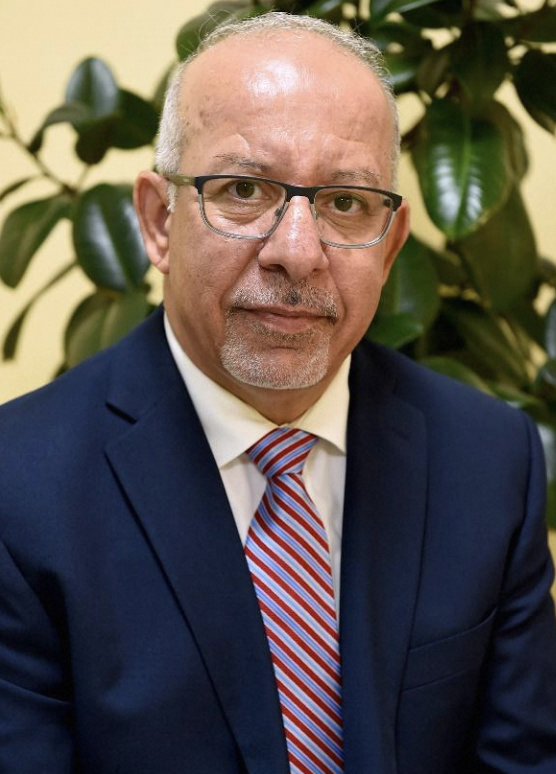
“The Master of Science in Environment and Sustainability Sciences offered on Zayed University’ campuses in Abu Dhabi and Dubai is designed to prepare graduates who can respond directly to the UAE’s evolving sustainability priorities, including climate change mitigation and adaptation, renewable energy transition, sustainable water resource management, environmental impact assessment, and ESG-aligned development planning. Our focus is on combining rigorous environmental science with applied policy and research skills, ensuring students are equipped with the skills and knowledge not only to understand complex environmental challenges, but to actively lead and contribute to solving them across government, industry, and research sectors.”
Prof Yousef Nazzal
Graduate Program Coordinator – Master of Science in Environment and Sustainability Sciences
Department of Life Sciences
College of Natural and Health Sciences
Zayed University, Abu Dhabi
This blog highlights sustainability career pathways in the UAE, including roles in environmental, social, and governance (ESG), policy, climate research, and sustainable development. It also explores the growing demand for professionals driven by initiatives like the UAE Net Zero 2050 Strategic Initiative, and explains how the Master of Science in Environment and Sustainability Sciences at Zayed University prepares graduates for these roles.
Sustainability Strategy and ESG Leadership in Organizations
Across industries in the UAE, organizations are integrating sustainability into core business operations. Organizations are expected to demonstrate measurable accountability through ESG frameworks, while simultaneously managing long-term environmental, regulatory, and reputational risks. This shift reflects a broader transformation in how value is defined, where sustainability performance is linked to financial resilience and investor confidence.
Professionals in sustainability strategy operate at the critical intersection of business performance and environmental impact. Their responsibilities extend beyond compliance with shaping organizational direction through data-driven decision-making and long-term planning. This includes carbon accounting and emissions reduction planning, ESG reporting aligned with international standards, optimization of resource efficiency, and the integration of sustainability principles across supply chains and procurement systems.
As regulatory expectations strengthen and global reporting frameworks become more sophisticated, roles such as sustainability managers, ESG analysts, and environmental consultants are experiencing significant growth. This is particularly evident in the UAE, where rapid development, large-scale infrastructure investment, and economic diversification initiatives require organizations to align operational performance with both national sustainability objectives and international best practice.
In this context, sustainability expertise is becoming essential to ensuring that growth is not only economically robust but also environmentally responsible and future oriented. Professionals who can bridge analytical capability, regulatory understanding, and strategic insight are increasingly central to how organizations in the UAE navigate the transition toward more sustainable and resilient business models.
Environmental Policy and Climate Governance
Beyond the private sector, sustainability is embedded in the architecture of public policy and national governance. Governments play a pivotal role in shaping the regulatory and strategic frameworks that address climate risks, safeguard natural resources, and guide long-term sustainable development. This requires an integrated approach that connects scientific evidence, economic planning, and legislative action.
In the UAE, institutions such as the Ministry of Climate Change and Environment are central to this mandate. The ministry leads national efforts in climate mitigation, biodiversity conservation, and environmental regulation, while also ensuring alignment with international environmental agreements and global climate commitments. Its work reflects the UAE’s broader ambition to balance economic growth with environmental stewardship and resilience.
Careers in environmental policy and climate governance are highly interdisciplinary, requiring professionals to operate at the intersection of science, policy, and strategy. These roles involve the development of evidence-based environmental policies, interpretation of complex environmental datasets, and translation of scientific research into actionable regulatory frameworks.
Professionals in this field may contribute to the design of climate adaptation strategies, sustainable urban development policies, environmental compliance systems, and conservation initiatives. As climate challenges become increasingly complex and interconnected, the role of policy experts is critical in ensuring that scientific knowledge is effectively converted into practical, scalable solutions that support national sustainability goals.
Climate Research and Environmental Science Careers
At the core of all sustainability efforts lies rigorous scientific research. Advancing our understanding of climate systems, environmental risk, and ecological change requires continuous innovation, data analysis, and interdisciplinary inquiry. This scientific foundation is what enables informed decision-making across policy, industry, and society.
The UAE has strategically positioned itself as a regional and global hub for sustainability research, supported by institutions such as the International Renewable Energy Agency. Through its leadership in renewable energy policy and knowledge exchange, the country is contributing to global climate discourse while strengthening its own research ecosystem.
Careers in climate research and environmental science are both technically demanding and highly impactful. Professionals in this field engage in advanced areas such as climate modelling and predictive analytics, water resource optimization, air quality monitoring, and ecosystem and biodiversity assessment. These roles rely heavily on data-driven methodologies, geospatial analysis, and emerging technologies to generate actionable insights.
Crucially, the output of this work extends far beyond academia. The data and evidence produced by environmental scientists underpin national policies, inform regulatory frameworks, and guide industry practices. As climate challenges intensify, the role of scientific research becomes increasingly central, not only in understanding environmental change, but in shaping effective, long-term solutions at both national and global levels.
Sustainable Infrastructure and Environmental Planning
Sustainability is fundamentally transforming the way infrastructure, and urban systems are conceived, designed, and delivered. In the UAE, this shift is particularly evident in large-scale developments where environmental considerations are embedded from the earliest stages of planning, aligning with national priorities around resilience, resource efficiency, and low-carbon growth.
Flagship initiatives led by organizations such as Masdar demonstrate how sustainability can be operationalized across integrated urban systems, combining renewable energy deployment, smart technologies, and sustainable design principles to create future-ready cities. These developments serve as living models of how environmental performance and economic viability can be advanced in parallel.
Professionals working in sustainable infrastructure operate at the intersection of engineering, environmental science, and policy. Their work spans environmental impact assessments, lifecycle analysis, sustainable construction methodologies, renewable energy integration, and circular resource management systems. Increasingly, they are also involved in climate-resilient design, ensuring infrastructure can withstand environmental stressors such as extreme heat and resource scarcity.
Beyond technical execution, these roles require a strategic perspective, balancing regulatory compliance, environmental stewardship, and long-term economic value. As the UAE continues to invest in next-generation infrastructure, professionals in this field play a critical role in ensuring that development not only meets immediate needs but also aligns with broader sustainability objectives and global environmental standards.
Why Sustainability Expertise Is Increasingly Valuable
The demand for sustainability expertise in the UAE is accelerating, driven by structural economic, regulatory, and environmental shifts. National commitments such as the UAE Net Zero 2050 Strategic Initiative have established a clear pathway toward decarbonization, requiring both public and private sector organizations to embed sustainability into their core strategies. This aligns with broader national frameworks such as the UAE Energy Strategy 2050, which emphasizes clean energy transition and reduced carbon intensity.
At the same time, regulatory frameworks are evolving rapidly. ESG disclosure requirements and climate-related financial reporting are becoming more rigorous, reflecting global standards such as those developed by the Task Force on Climate-related Financial Disclosures (TCFD). According to reports by the World Economic Forum, transparency in climate risk reporting is increasingly influencing investor confidence and capital allocation, making sustainability a strategic priority rather than a compliance exercise.
Research also highlights the growing material impact of climate risk on economic systems. Studies from the Intergovernmental Panel on Climate Change (IPCC) emphasize that regions like the Gulf are particularly vulnerable to rising temperatures, water scarcity, and environmental stress. At the same time, transition risks—linked to policy changes, energy shifts, and decarbonization efforts—are reshaping industries and business models. As a result, organizations are incorporating climate risk into enterprise risk management, scenario planning, and long-term financial forecasting.
Furthermore, sustainability is linked to innovation and economic competitiveness. Sectors such as renewable energy, sustainable infrastructure, and circular economy solutions are expanding rapidly. Institutions like the International Renewable Energy Agency highlight the UAE’s growing role in advancing global clean energy solutions, while also reinforcing the demand for professionals with both technical expertise and strategic insight.
In this context, sustainability expertise is central to organizational resilience, economic diversification, and national development. Professionals equipped with skills in environmental systems, data analytics, and policy frameworks are becoming critical to supporting the UAE’s transition toward a low-carbon, knowledge-based economy, as consistently highlighted across global and regional sustainability research.
Preparing for Careers in Sustainability and Climate Leadership
Building a successful career in sustainability calls for a sophisticated, interdisciplinary skill set that integrates scientific understanding, policy awareness, and applied strategic thinking. As sustainability challenges grow in complexity, professionals are expected to move fluidly between technical analysis, regulatory interpretation, and real-world implementation.
Core competencies include a solid foundation in environmental systems and climate science, combined with the ability to analyze and interpret sustainability data to inform decision-making. Equally important is an in-depth understanding of regulatory frameworks and global ESG standards, enabling professionals to navigate evolving compliance landscapes while contributing to organizational strategy. In addition, sustainability leaders must demonstrate advanced critical thinking and problem-solving capabilities, particularly when addressing interconnected challenges such as resource management, climate risk, and sustainable development. The ability to communicate complex insights clearly to diverse stakeholders—from policymakers to corporate leaders—is essential. Ultimately, preparing for a career in sustainability and climate leadership means developing the capacity to translate knowledge into impact, bridging science, policy, and practice to drive meaningful, long-term change, a skill set that often requires advanced academic training, particularly for roles in policy, research, and leadership. Strong leadership skills are also essential, enabling professionals to influence decision-making, coordinate cross-sector collaboration, and guide organizations in embedding sustainability into long-term strategy and operations.
Conclusion: Building Careers That Support the UAE’s Sustainable Future
Sustainability careers in the UAE are diverse, dynamic, and deeply aligned with the country’s long-term national vision. Whether contributing to corporate strategy, shaping public policy, advancing scientific research, or designing sustainable infrastructure, professionals in this field are actively helping to address some of the most pressing environmental and development challenges of our time. As the UAE continues to accelerate its sustainability agenda, the demand for skilled and future-ready professionals will only continue to grow. For individuals seeking to make a meaningful impact, this field offers a unique opportunity to combine purpose with professional growth, contributing directly to a more resilient, low-carbon, and forward-looking nation.
If you are ready to build a career in sustainability and climate leadership, the Master of Science in Environment and Sustainability Sciences at Zayed University provides the academic foundation and applied expertise needed to succeed in this evolving field. Explore the program and start your journey toward shaping the UAE’s sustainable future today by contacting the College of Natural and Health Sciences at +971-2-599-3605 / dgs.recruitment@zu.ac.ae
Frequently Asked Questions
1. What are the most in-demand sustainability careers in the UAE?
Some of the most in-demand sustainability roles in the UAE include sustainability managers, ESG analysts, environmental consultants, climate policy advisors, and renewable energy specialists, reflecting the country’s strong focus on climate action, clean energy transition, and sustainable development. These roles are increasingly central to how organizations operate, as sustainability is now embedded in both corporate strategy and public sector planning rather than treated as a standalone function.
Demand is particularly strong in key sectors such as energy, where professionals support the transition toward low-carbon and renewable systems; construction and real estate, where sustainable design, green building standards, and environmental impact assessments are essential; finance, where ESG integration and sustainable investment strategies are rapidly expanding; and government, where policy development and regulatory oversight are critical to achieving national climate objectives.
Together, these roles reflect a broader shift in the UAE economy, where sustainability expertise is becoming essential not only for environmental stewardship, but also for competitiveness, regulatory compliance, and long-term economic resilience.
2. How does the UAE support sustainability careers?
The UAE actively supports the growth of sustainability careers through a coordinated mix of national policy, large-scale investment, and long-term development strategies. At the center of this is the UAE Net Zero 2050 Strategic Initiative, which sets a clear national direction toward decarbonization and requires all major sectors such as energy, transport, industry, and construction to integrate sustainability into their operations and planning.
In parallel, the country has made significant investments in renewable energy, clean technologies, and climate innovation. Projects in solar energy, hydrogen development, and energy efficiency are expanding rapidly, creating demand for professionals with expertise in environmental systems, energy transition, and sustainability strategy.
The UAE is also developing world-leading sustainable cities and infrastructure projects, where environmental planning, smart technologies, and resource efficiency are embedded into urban design. These initiatives require multidisciplinary teams of engineers, environmental scientists, policy experts, and data specialists to ensure long-term sustainability outcomes.
Together, these efforts are shaping a strong and growing job market for sustainability professionals. As government entities, private companies, and research institutions align with national sustainability goals, the demand for skilled graduates in environmental science, climate policy, ESG, and sustainable development continues to increase, making sustainability one of the most future-focused career paths in the UAE.
3. What skills are essential for a career in sustainability?
Key skills for a career in sustainability extend across both technical and strategic domains, with leadership skills playing a central role in enabling professionals to drive meaningful change. A solid foundation in environmental awareness is essential, enabling professionals to understand ecological systems, climate dynamics, and the interconnections between human activity and environmental impact. This is complemented by data analysis skills, which are increasingly important for interpreting sustainability metrics, tracking emissions, assessing environmental risks, and supporting evidence-based decision-making. Equally important is a solid understanding of ESG frameworks, as organizations across the UAE and globally are now required to report on environmental, social, and governance performance in a structured and transparent way.
In addition, knowledge of environmental policy and regulatory frameworks helps professionals navigate compliance requirements and align organizational practices with national and international sustainability goals. Strategic thinking is also critical, as sustainability roles often involve long-term planning, risk assessment, and the integration of environmental considerations into broader business or policy decisions. Alongside these competencies, leadership skills are essential, as sustainability professionals are often required to influence cross-functional teams, coordinate stakeholders across different sectors, and drive the implementation of sustainability initiatives without relying solely on formal authority.
Effective communication skills are equally important for translating complex environmental data into clear, actionable insights for stakeholders, while problem-solving abilities support the development of practical, innovative solutions to complex sustainability challenges. Together, these technical, strategic, and leadership competencies enable professionals to not only understand sustainability issues but also to lead their integration into real-world decision-making and organizational transformation.
4. How can I start a career in sustainability in the UAE?
Starting a career in sustainability in the UAE involves a combination of academic preparation, practical experience, and a strong understanding of national environmental priorities. As sustainability becomes embedded across sectors such as energy, construction, finance, and government, employers increasingly look for candidates who can combine technical knowledge with real-world application.
A strong first step is pursuing relevant education in environmental science, climate studies, or sustainability-focused programs. For example, the Master of Science in Environment and Sustainability Sciences at Zayed University provides advanced training in environmental systems, climate analysis, policy frameworks, and applied sustainability research, equipping graduates with the interdisciplinary skills needed in today’s job market.
In addition to academic qualifications, gaining practical experience is essential. Internships, research projects, and fieldwork with government entities, consulting firms, or sustainability-focused organizations help build applied skills in areas such as environmental impact assessment, ESG reporting, and resource management. These experiences also help students understand how sustainability is implemented across different industries in the UAE.
It is equally important to develop knowledge of UAE-specific sustainability priorities and frameworks, including national climate strategies such as the UAE Net Zero 2050 Strategic Initiative. Understanding these policies helps professionals align their skills with national goals and industry expectations. Finally, building a solid foundation in data analysis, environmental policy, and communication skills enhances employability, as sustainability roles often require translating complex environmental information into clear, actionable insights for decision-makers.
Together, these steps create a clear pathway into a growing field that is central to the UAE’s long-term economic and environmental vision.
5. What industries hire sustainability professionals in the UAE?
Sustainability professionals in the UAE are in demand across a wide range of sectors, reflecting how deeply environmental priorities are now integrated into national development and economic diversification strategies:
-
- Renewable energy sector: This is one of the strongest employers, driven by large-scale solar and clean energy projects aligned with the UAE Net Zero 2050 Strategic Initiative. These roles often focus on energy transition planning, carbon reduction, and clean technology deployment.
- Government and public sector: Sustainability experts contribute to policy development, environmental regulation, climate adaptation strategies, and national sustainability planning. This includes work across ministries and regulatory authorities focused on environmental protection and long-term resilience.
- Construction and real estate industry: This is another major employer, particularly as the UAE continues to develop sustainable cities and green infrastructure. Professionals in this space work on environmental impact assessments, green building standards, and sustainable urban planning.
- Finance and banking: Sustainability roles are growing rapidly through ESG investing, sustainable finance frameworks, and climate risk assessment. Financial institutions increasingly require specialists who can evaluate environmental and governance risks in investment decisions.
- Consulting sector: This sector also plays a key role, with firms advising organizations on ESG strategy, regulatory compliance, carbon accounting, and sustainability transformation.
- International organizations: Organizations such as the International Renewable Energy Agency provide global platforms for research, policy development, and knowledge sharing in renewable energy and sustainability.
6. Is sustainability a good long-term career choice in the UAE?
Yes, sustainability is widely considered one of the most promising long-term career paths in the UAE due to its direct alignment with national development priorities, economic diversification goals, and global climate commitments. The country’s long-term vision, supported by the UAE Net Zero 2050 Strategic Initiative, signals sustained investment in decarbonization, clean energy, and climate resilience. This ensures that sustainability is not a short-term trend, but a structural priority shaping how industries operate and evolve over the coming decades. At the same time, regulatory expectations around ESG reporting, climate disclosure, and environmental governance are becoming more advanced and mandatory across sectors. This creates ongoing demand for professionals who can interpret regulations, manage compliance, and integrate sustainability into business strategy and public policy.
The UAE is also investing heavily in green technologies, renewable energy systems, and sustainable infrastructure. These investments are not only creating new industries but also transforming existing ones, particularly in energy, construction, transport, and finance. As a result, sustainability expertise is becoming essential for long-term competitiveness and organizational resilience.
From a career perspective, this means strong job stability, continuous growth opportunities, and increasing cross-sector mobility. Professionals in sustainability are not limited to one industry. They are now needed across government, private sector, consulting, and research institutions. In addition, organizations such as the International Renewable Energy reinforce the UAE’s position as a global hub for sustainability innovation, further strengthening long-term career prospects in this field.
Overall, sustainability offers not only career security, but also the opportunity to contribute directly to shaping the UAE’s future development model, making it a highly strategic and future-ready career choice.
7. Do I need a science background to work in sustainability?
For admission into the Master of Science in Environment and Sustainability Sciences at Zayed University, having a relevant academic background is important. This is because the program is grounded in environmental science, climate systems, and data-driven research, all of which require foundational scientific knowledge. Students are expected to engage in topics such as climate change analysis, environmental monitoring, and sustainability metrics. A background in fields like environmental science, biology, chemistry, engineering, or related disciplines helps ensure that students can effectively understand and apply these concepts.
That said, sustainability is inherently interdisciplinary. Professionals from business, economics, or policy backgrounds can still transition into the field, but they may need to build or strengthen their scientific foundation to succeed in technically focused programs like this one.
In short, while sustainability as a career welcomes diverse backgrounds, Zayed University places emphasis on scientific readiness to ensure students can fully benefit from the program and contribute meaningfully to solving complex environmental challenges.