

16 Mar, 2026
The United Arab Emirates (UAE) is facing a major public health challenge. Chronic conditions, including diabetes, obesity, cardiovascular disease, cancer, and micronutrient deficiencies are rising at concerning rates, placing increasing pressure on healthcare systems and communities. According to the World Health Organization (WHO), non-communicable diseases (NCDs) account for over 77% of all deaths in the UAE, highlighting the urgent need for prevention-driven, science-based solutions.
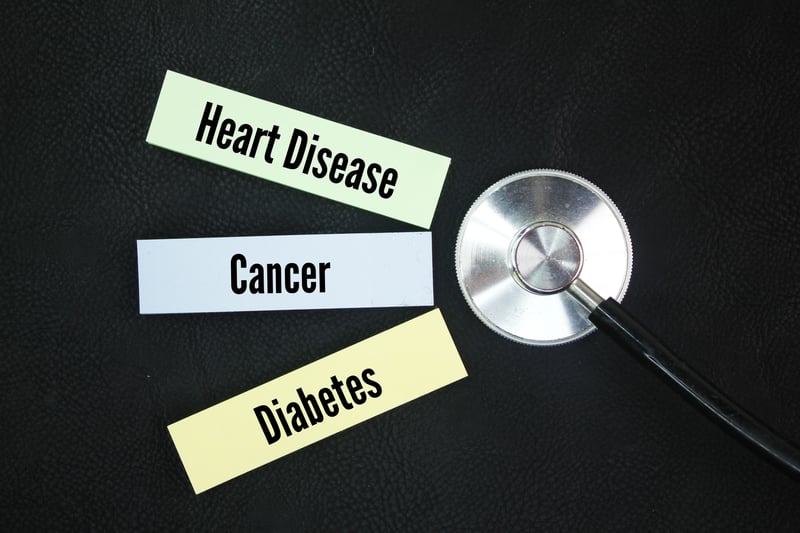
These conditions are closely linked to lifestyle including dietary habits, sedentary behaviours, and rapid urbanization. As the nation advances its Vision 2031 and long-term wellbeing strategies set out in the National Strategy for Wellbeing 2031 and Food Security Strategy 2051, nutrition science has emerged as a strategic pillar of health transformation. Preventive healthcare, early intervention, and sustainable lifestyle modification are now central to reducing the national burden of chronic disease and building a healthier future.
Recent research by Ala Al Rajabi, Rafiq Hijazi, and Lynne Alexandra Kennedy (2025) underscores why this focus is so important: a cross-sectional study examining fast-food consumption among adults in the UAE found that nearly half of participants ate fast food regularly (two or more times per week), with patterns linked to higher body mass index and other lifestyle factors that can contribute to chronic health risks. Taste and convenience were among the main reasons adults chose fast food, while irregular meal patterns and larger portion sizes were also more common among frequent consumers — highlighting key behavioural contributors to dietary risk. These findings reinforce the need for nutrition-focused public health strategies that promote healthier eating habits and support the goals of UAE Vision 2031 and related national health initiatives.
In this article, we take an in-depth look at Zayed University’s Master of Science in Human Nutrition and its critical role in addressing chronic diseases in the UAE. We explore the innovative and nationally aligned curriculum design, and the distinctive features that position it as a strategic response to rising rates of diabetes, obesity, and other non-communicable diseases. The blog also highlights the program’s strong emphasis on applied, impact-driven research, its diverse career pathways in healthcare and policy, opportunities for professional growth, and the admission requirements for those ready to contribute to building a healthier future.
Zayed University’s Master of Science in Human Nutrition: Building Expertise
Zayed University’s Master of Science in Human Nutrition is designed to develop highly skilled professionals who bridge science, policy, and practice while advancing innovation across clinical dietetics, food systems, community nutrition, and health communication. Aligned with the UAE’s long-term wellbeing strategies and preventive healthcare priorities, the program supports national efforts to promote healthier lifestyles and strengthen sustainable health outcomes.
- A Comprehensive, Future-Focused Curriculum
The Master of Science in Human Nutrition offers a rigorous 30-credit curriculum that integrates biological sciences, clinical practice, research methodology, and public health nutrition. Students develop advanced competencies in:
- Nutrient metabolism and nutritional biochemistry
- Medical nutrition therapy
- Nutritional epidemiology
- Public health nutrition
- Food systems and sustainability
- Research design and statistical analysis
Courses such as Nutritional Epidemiology, Nutrition in Health and Disease, and Public Health and Nutrition Behavior are tailored to reflect the UAE’s specific health landscape.
- Research That Drives National Impact
Scientific research forms the backbone of effective health policy. Students complete a supervised thesis aligned with UAE health priorities, presenting their findings at conferences, publishing them in scientific journals, and partnering with public health organizations. This exposure builds academic credibility and enhances employability and impact.
Faculty mentorship plays a critical role in this journey. With internationally experienced academics specializing in metabolism, pediatric nutrition, obesity prevention, food policy, and sustainable diets, students benefit from guidance that blends global standards with regional relevance.
- International Standards, Local Relevance
The Master of Science in Human Nutrition adheres to international academic benchmarks and aligns with global professional frameworks, including standards from the United Kingdom’s Association for Nutrition (AfN). This ensures that graduates are prepared for professional recognition both within the UAE and internationally. At the same time, the program is carefully contextualized to meet regional licensing and accreditation expectations. - Empowering Leadership in Health
Nutrition is deeply rooted in culture, family traditions, and community practices. For interventions to be effective, they must reflect social realities. The Master of Science in Human Nutrition plays a vital role in empowering professionals to lead in healthcare, research, and policy. Graduates contribute across multiple domains:
- Leadership
- Research and innovation
- Policy and public health strategy
Expanding Career Opportunities and Professional Growth
Demand for nutrition professionals continues to grow across healthcare, education, government, and the private sector. Graduates of the Master of Science in Human Nutrition are prepared for roles such as:
- Public Health Nutrition Specialist: Designing and implementing community-based nutrition and wellness programs.
- Food Industry Consultant: Advising food companies on product formulation, labeling, and nutritional standards.
- Health Policy Advisor: Supporting government initiatives related to national dietary guidelines, obesity prevention, and food safety.
- Academic or Research Scientist: Conducting studies that contribute to evidence-based nutrition policy and global knowledge.
Opportunities span government health departments, regulatory authorities, hospitals, wellness organizations, research institutions, and food companies.
Why Now Is the Critical Moment to Combat Chronic Diseases in the UAE
In the UAE, where diabetes, obesity, and cardiovascular disease remain pressing national concerns, the shift toward preventive healthcare has never been more urgent. National strategies increasingly prioritize early intervention, lifestyle modification, and evidence-based policymaking to reduce the long-term burden of non-communicable diseases. This evolving landscape demands highly trained nutrition professionals who can translate science into measurable health outcomes.
By enrolling in Zayed University’s Master of Science in Human Nutrition program, students position themselves at the forefront of this transformation. They join an academic community committed to combating chronic diseases through rigorous research, interdisciplinary collaboration, and culturally informed practice. Graduates gain not only advanced scientific expertise but also the leadership capacity to influence policy, strengthen preventive healthcare systems, and guide communities toward sustainable, healthier lifestyles.
Conclusion: Educating for a Healthier Tomorrow
Chronic diseases present one of the UAE’s greatest health challenges, but they also offer an opportunity. With the right expertise, research, and leadership, the burden of preventable illness can be reduced, improving quality of life for future generations.
Zayed University’s Master of Science in Human Nutrition is a platform for shaping national wellbeing. Through rigorous scientific training, applied research, and culturally grounded leadership, graduates are equipped to transform nutrition science into meaningful impact. For professionals committed to combat chronic conditions and strengthen community health, the program represents a decisive step toward building a healthier, more resilient UAE.
Join Zayed University’s Master of Science in Human Nutrition and become part of a forward-thinking academic community committed to improving lives through science, education, and collaboration. Gain not only specialized knowledge but also the confidence and capability to influence change — from shaping health policy to guiding communities toward better nutrition and wellbeing. Whether your ambition is to work in public health, or food innovation, this program offers expertise, mentorship, and network to help you succeed. Apply today and be part of the UAE’s health vision by contacting the College of Natural and Health Sciences, Zayed University at +971-2-599-3605 / dgs.recruitment@zu.ac.ae
Frequently Asked Questions
1. What Sets Zayed University’s Master of Science in Human Nutrition Apart?
Zayed University’s Master of Science in Human Nutrition stands out for its strong alignment with national health priorities, global academic standards, and career-focused learning. The program offers students a distinctive combination of research excellence, strategic partnerships, international accreditation and licensure pathways, and professional certifications—all designed to prepare graduates for impactful roles in advancing the UAE’s vision for healthier communities and sustainable development.
2. What skills and competencies do the program equip students with?
Students develop advanced competencies across scientific, clinical, analytical, and communication domains. These include expertise in dietary assessment methodologies, nutritional biochemistry, metabolic analysis, food safety management, and body composition evaluation. The Master of Science in Human Nutrition strengthens proficiency in research design, biostatistics, and critical appraisal of scientific literature, enabling students to conduct rigorous outcome-based research. In addition, graduates refine high-level academic writing, professional communication, leadership, and critical thinking skills, essential for translating complex scientific evidence into actionable public health strategies and policy recommendations.
3. What are the program objectives for future nutrition professionals?
The Master of Science in Human Nutrition program is designed to cultivate scientifically grounded, ethically responsible, and innovation-driven nutrition leaders. It provides advanced knowledge in human nutrition, clinical dietetics, public health nutrition, and food systems while emphasizing the integration of research and practice. Students learn to apply robust research methodologies, design, and evaluate targeted nutrition interventions, conduct body composition and metabolic assessments, and develop culturally responsive health promotion strategies. A central objective is to prepare graduates who can generate evidence, influence policy, and contribute meaningfully to national and global health agendas.
4. What makes the master’s thesis an essential component of the degree?
The master’s thesis represents the intellectual cornerstone of the Master of Science in Human Nutrition. It enables students to synthesize theoretical knowledge and methodological training into an independent research project addressing real-world health challenges in the UAE. Under the supervision of expert faculty, students design ethically sound, data-driven studies aligned with national health priorities. Many projects engage with healthcare and regulatory stakeholders such as Dubai Health and PureHealth, enhancing practical relevance and policy impact. Through this process, students strengthen their analytical reasoning, scholarly writing, and capacity to contribute to evidence-based decision-making.
5. How does the program ensure a comprehensive and globally informed educational experience?
Ethical finance practices are integrated throughout the curriculum, emphasizing responsible decision-making, compliance, and sustainability aligned with UAE’s financial regulations and global best practices.Zayed University integrates advanced coursework in applied nutrition, clinical diet therapy, nutritional biochemistry, epidemiology, and food safety management with structured research training and experiential learning. Students engage in interdisciplinary collaboration and benefit from mentorship by internationally experienced faculty members. Academic enrichment is further strengthened through collaborations with institutions, ensuring exposure to global research standards and emerging scientific developments. This integration of local relevance and international perspective ensures that graduates emerge as competent, research-driven, and globally competitive nutrition professionals.
6. What are the admission requirements for the program?
Applicants must have earned a bachelor’s degree in a health-related field such as nutrition, public health, medicine, medical science, nursing, physiotherapy, occupational therapy, dentistry, health education, biological science, biochemistry, and physiology from an accredited university with a cumulative grade point average (CGPA) of 3.0 (or 2.5 for conditional admission) or higher on a 4.0 point scale or equivalent. Applicants who have successfully completed a bachelor’s degree in a field not listed above, but who possess other professional or non-professional qualifications and/or substantial relevant experience, may also apply and will be considered on a case-by-case basis. Applicants must also demonstrate evidence of English language proficiency.
7. What scholarships are available for UAE national and international students?
A range of scholarship opportunities are available to UAE national and international students such as graduate merit and Zayed University alumni scholarships.
8. Is the program available for working professionals?
The Master of Science in Human Nutrition is structured to accommodate diverse professional pathways, including working professionals. The curriculum sequence integrates advanced coursework, supervised research, and applied learning experiences, ensuring that students receive a rigorous and cohesive educational journey without compromising academic depth or research quality.