

6 Aug, 2026
Artificial Intelligence (AI) is transforming how organizations make decisions, manage digital systems, and develop new solutions. As AI becomes increasingly embedded across cybersecurity, digital government, financial services, and smart city infrastructure, ensuring its responsible, transparent, and ethical use has become a critical priority in the United Arab Emirates (UAE).
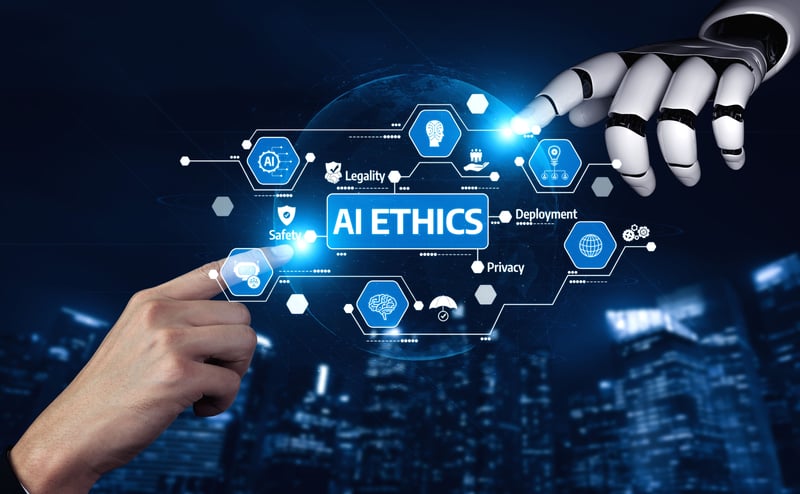
As organizations adopt AI-powered systems at scale, questions surrounding AI ethics, fairness, accountability, transparency, and governance have become as important as technical performance. In this evolving digital landscape, graduate education plays a vital role in preparing professionals who can not only design and deploy AI solutions but also evaluate their ethical, social, cybersecurity, and regulatory implications.
The Master of Science in Cybersecurity and the Master of Science in Digital Transformation and Innovation at Zayed University prepare professionals to develop this dual competency: advanced technical expertise combined with ethical AI practices, governance awareness, cybersecurity knowledge, and strategic decision-making skills.
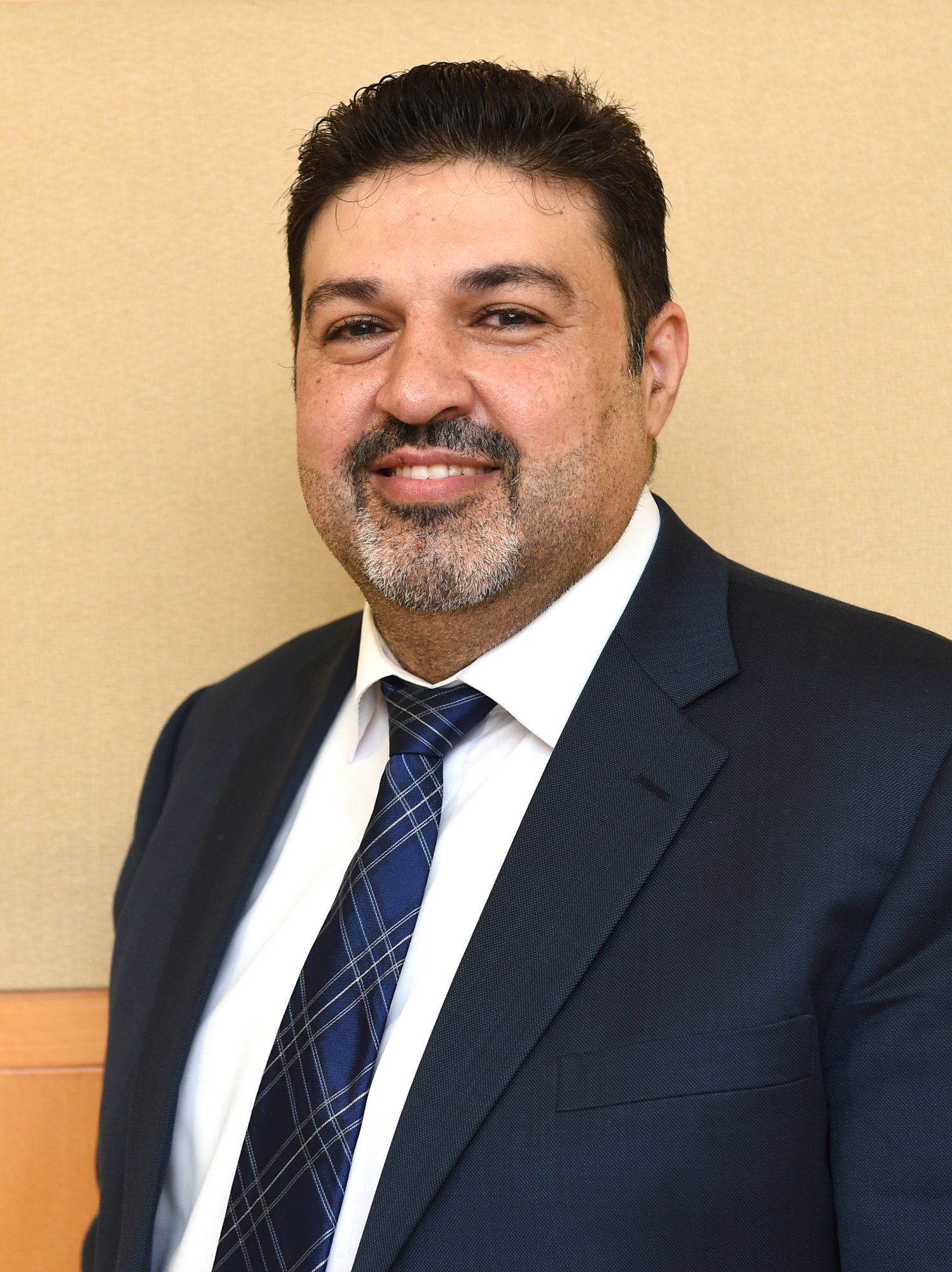
During the 2025 Graduate Research Symposium, Prof Omar Alfandi, Dean of the College of Technological Innovation at Zayed University, highlighted the importance of developing artificial intelligence responsibly, with ethics, transparency, accountability, and responsible innovation at the centre of technological advancement.
"Artificial intelligence is driving a new era of research and innovation, but its true impact depends on how responsibly it is developed and applied. At Zayed University's College of Technological Innovation, we prepare graduates to lead in an AI-driven world by combining advanced technological expertise with ethical AI practices, research integrity, critical thinking, and responsible decision-making. Through our master’s degree programs in cybersecurity, digital transformation and innovation, our students are equipped to develop secure, transparent, and responsible AI-driven solutions that create meaningful impact for organizations and society”.
Prof Omar AlFandi
Dean
College of Technological Innovation
Zayed University, Abu Dhabi & Dubai, UAE
Prof Omar AlFandi was subsequently appointed Acting Provost of Zayed University.
Why AI Ethics Matters in Cybersecurity and Digital Transformation and Innovation
AI is increasingly used in cybersecurity for anomaly detection, malware identification, automated incident response, and predictive threat intelligence. While these AI-driven systems improve efficiency and speed, they also introduce significant ethical and operational risks, including:
-
- Algorithmic bias in threat detection
- Lack of transparency in machine learning models
- Misuse of sensitive security data
- Over-reliance on automated decision-making
- Adversarial attacks against AI systems
Similarly, in digital transformation initiatives, AI powers data analytics, business intelligence, automation, blockchain systems, and smart governance platforms. However, these advancements raise critical ethical concerns around:
-
- Data privacy and consent
- Surveillance and monitoring risks
- Algorithmic accountability in decision-making
- Responsible use of citizen and customer data
- Societal impact of automation
A key challenge is that many AI systems function as “black boxes”, making it difficult for professionals to explain how decisions are made. This creates a strong need for education that integrates technical AI knowledge with ethical frameworks, governance models, and systems thinking.
AI Ethics in the Master of Science in Cybersecurity at Zayed University
The Master of Science in Cybersecurity at Zayed University prepares graduates to address advanced cybersecurity challenges across government, enterprise, and critical infrastructure environments. The program integrates technical security training with applied learning and research-based education, including areas such as network security, digital forensics, cybercrime analysis, and AI-driven cybersecurity systems.
AI Ethics Integration in Cybersecurity Education
1. Ethical Cybersecurity Practice and Governance
Students develop the ability to evaluate cybersecurity actions through legal, ethical, and regulatory frameworks, ensuring responsible handling of sensitive systems, vulnerabilities, and digital evidence.
2. AI-Driven Cybersecurity Systems
AI applications in cybersecurity are studied, including threat detection and automated response systems. Students critically assess risks such as bias in detection models, adversarial manipulation, and false-positive decision-making.
3. Cybercrime, Behaviour, and Digital Ethics
The program explores cybercrime from both technical and behavioural perspectives, enabling students to assess ethical implications of surveillance, profiling, and predictive security technologies.
4. Responsible Research and Innovation
Students are encouraged to apply structured research methods to evaluate emerging cybersecurity technologies, with emphasis on ethical AI deployment and responsible innovation in security systems.
AI Ethics in the Master of Science in Digital Transformation and Innovation at Zayed University
The Master of Science in Digital Transformation and Innovation at Zayed University prepares professionals to lead digital change across government and industry, with a strong focus on emerging technologies such as AI, data science, blockchain, and digital strategy. AI ethics plays a central role in this program because graduates are expected to design and manage large-scale digital ecosystems that directly impact society and public services.
AI Ethics in Digital Transformation Leadership
1. Ethical Digital Leadership and Strategy
Students learn to lead transformation initiatives that balance innovation with ethical responsibility, regulatory compliance, and public trust.
2. Data Governance and Responsible AI Use
The program emphasizes data ethics, privacy protection, consent management, and responsible data lifecycle governance in digital systems.
3. AI, Big Data, and Algorithmic Bias
Students critically evaluate how biased datasets can influence outcomes in finance, hiring systems, healthcare, and public policy decision-making.
4. Blockchain, Transparency, and Accountability
Blockchain technologies are explored as tools for enhancing transparency, traceability, and accountability in digital transformation ecosystems.
Shared AI Ethics Framework Across Both Master of Science Programs at Zayed University
Although cybersecurity and digital transformation and innovation focus on different domains, both master’s degree programs share a unified foundation in ethical AI, governance, and strategic leadership. Key shared competencies include:
-
- Critical thinking and systems-level analysis
- AI ethics, governance, and compliance awareness
- Responsible innovation and risk management
- Interdisciplinary problem-solving across technology and policy
- Strategic decision-making in digital environments
This integrated approach reflects Zayed University’s commitment to producing graduates who can operate effectively in complex socio-technical systems where technology, ethics, and governance intersect.
AI Ethics and the UAE’s Digital Transformation Agenda
The UAE is positioning itself as a global leader in AI, smart government, and digital innovation. As digital systems expand across public and private sectors, the need for ethical AI governance and cybersecurity leadership continues to grow. AI ethics is therefore a national strategic requirement supporting:
-
- Secure digital government services
- Trusted AI adoption in public systems
- Cyber resilience in critical infrastructure
- Transparent and accountable digital ecosystems
- Sustainable innovation aligned with UAE Vision objectives
Graduates of these programs are directly aligned with the UAE’s need for professionals who can ensure that AI systems are secure, ethical, and socially responsible.
Conclusion: Preparing Ethical AI Leaders for the UAE’s Digital Future
AI ethics has become a foundational pillar of both cybersecurity and digital transformation education. At Zayed University, the Master of Science in Cybersecurity and the Master of Science in Digital Transformation and Innovation are designed to equip professionals with a powerful combination of technical expertise, ethical awareness, governance capability, and strategic leadership skills. As AI continues to reshape industries across the UAE, the demand for professionals who can balance innovation with responsibility will continue to rise. These programs prepare graduates to lead that transformation—ensuring that the future of digital innovation is not only advanced, but also ethical, transparent, and aligned with national and global standards of trust and accountability.
Apply to the Master of Science in Cybersecurity or the Master of Science in Digital Transformation and Innovation at Zayed University and gain the advanced expertise needed to design secure systems, govern AI responsibly, and lead digital change across the UAE’s most critical sectors. Contact the College of Technological Innovation today at +971-2-599-3605 / dgs.recruitment@zu.ac.ae
Frequently Asked Questions
1. What is AI ethics and why is it important?
AI ethics refers to the principles and practices that guide the responsible development and use of artificial intelligence. It focuses on ensuring that AI systems are transparent, accountable, secure, fair, and aligned with legal, social, and ethical standards.
2. Why is AI ethics important in cybersecurity?
AI ethics is essential in cybersecurity because AI systems increasingly support threat detection, incident response, and security decision-making. Professionals must understand how to manage risks such as algorithmic bias, data privacy concerns, automated decision-making errors, and adversarial attacks on AI systems.
3. How does digital transformation require responsible AI?
Responsible AI enables organizations to adopt digital technologies while maintaining transparency, trust, privacy, and accountability. Professionals leading digital transformation must understand how to implement AI solutions that deliver innovation while managing ethical and governance considerations.
4. What skills are needed to lead responsible AI adoption?
Professionals leading responsible AI adoption need a combination of technical expertise, ethical reasoning, cybersecurity awareness, data governance knowledge, research skills, and strategic decision-making abilities.
5. Why should professionals study AI ethics alongside cybersecurity and digital transformation?
As organizations increasingly rely on AI-driven systems, professionals need both technical expertise and ethical awareness. Understanding AI ethics enables graduates to design secure, trustworthy, and responsible technologies that support organizational goals and public confidence.
6. How is AI ethics integrated into Zayed University’s Master of Science in Cybersecurity and Master of Science in Digital Transformation and Innovation programs?
AI ethics is integrated into Zayed University’s Master of Science in Cybersecurity and Master of Science in Digital Transformation and Innovation programs through a focus on responsible technology development, ethical decision-making, governance, and research integrity. Students learn how to evaluate the opportunities and risks associated with AI, including issues related to transparency, accountability, data privacy, security, and responsible use of emerging technologies.
In the Master of Science in Cybersecurity program, students explore the ethical implications of AI-driven security systems, including automated threat detection, cyber defence, digital forensics, and the responsible management of sensitive information. In the Master of Science in Digital Transformation and Innovation program, students examine responsible AI adoption through areas such as data governance, digital strategy, innovation management, and the ethical implementation of emerging technologies. Together, these programs prepare graduates to develop secure, transparent, and responsible AI-driven solutions that create value for organizations and society.